A Celebration Built on Memory and Light
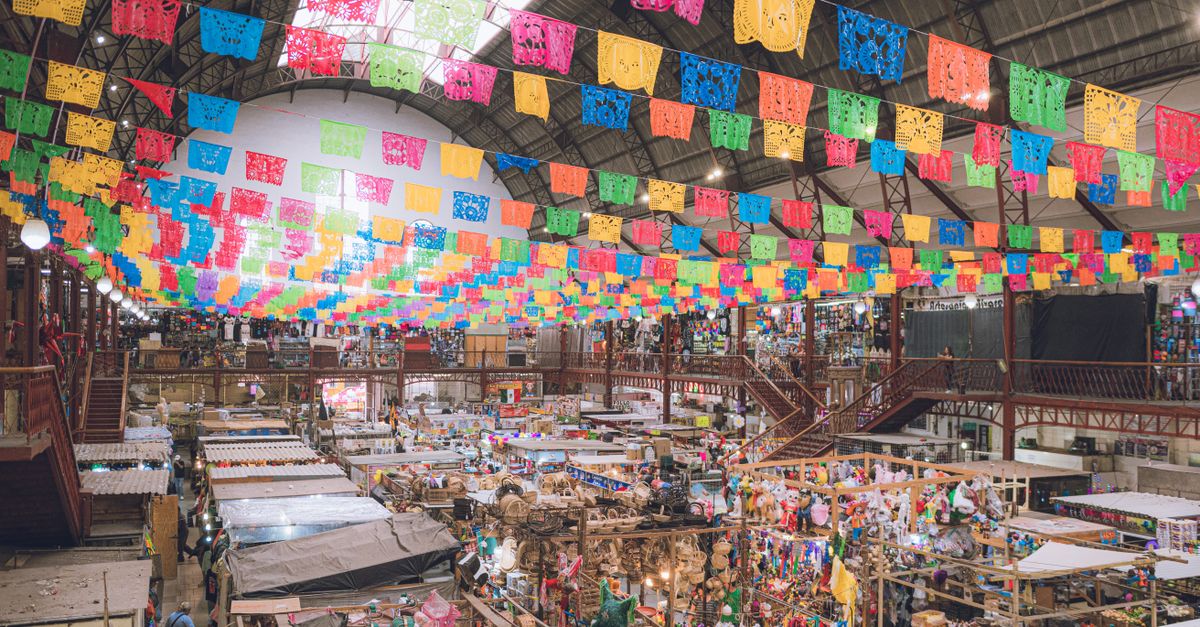
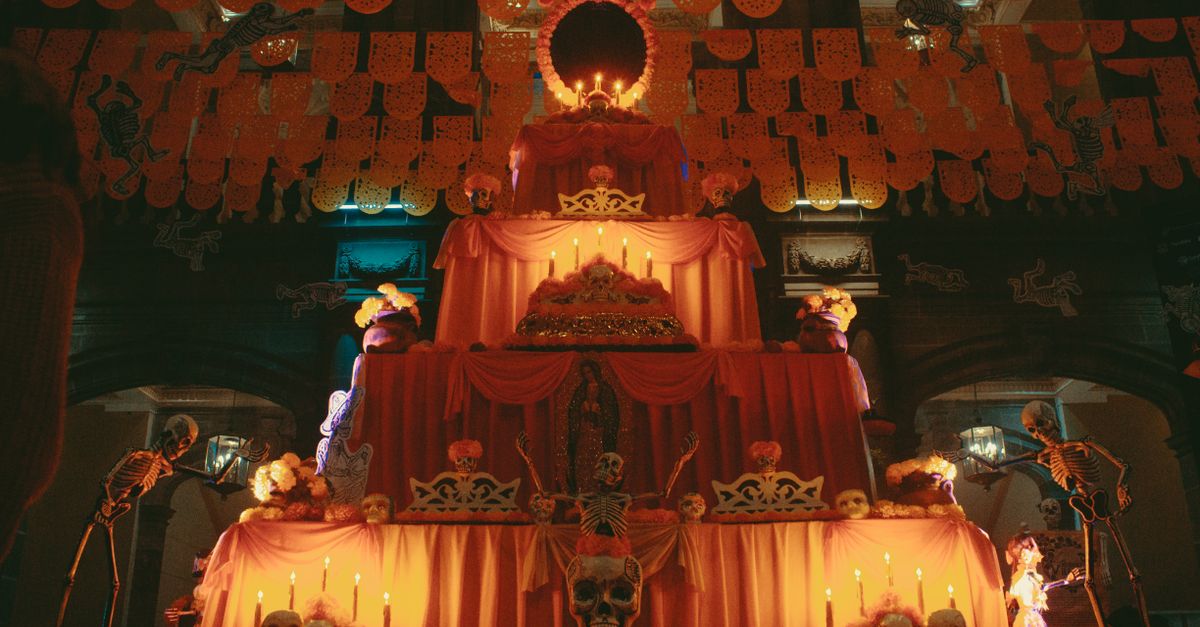
There is a particular quality to the colors associated with Día de los Muertos — the deep orange of marigold petals, the vivid purples and greens of papel picado, the warm flicker of candle flame set against a hand-built altar. Those colors have been showing up in McKinney each October for several years now, drawing residents from across Collin County to a festival that is equal parts remembrance and rejoicing. On October 17, 2026, they will appear again.
The McKinney Día de los Muertos Festival is one of the more distinctive cultural events on the city’s fall calendar, and that calendar is genuinely crowded this autumn. What sets this particular gathering apart is not simply the richness of its programming — the music, the art, the traditions rooted in centuries of Mexican and broader Latin American practice — but the way it has grown into something that feels unmistakably McKinney’s own.
What the Day of the Dead Actually Celebrates
For residents encountering the festival for the first time, it helps to understand what Día de los Muertos is and, perhaps equally important, what it is not. The holiday is not a morbid occasion, despite its literal translation. It is, at its core, a joyful and deeply human act of remembrance — a time when families build ofrendas, or altars, adorned with photographs, favorite foods, and meaningful objects belonging to those who have died. The belief underlying the tradition holds that the barrier between the living and the dead grows thin during these days, allowing loved ones to briefly return.
The visual language of the holiday — calaveras, or decorated skulls; bright flowers; intricate face paint — is a form of art in itself, one that has been practiced and refined across generations. Bringing that tradition to a public festival space in McKinney means creating room for people who grew up with these rituals to share them with neighbors who may never have encountered them, and that exchange is where community gets built.
Music and Art at the Center
The festival’s programming has consistently anchored itself in two pillars: music and visual art. Both reflect the breadth and depth of Hispanic cultural heritage rather than a single narrow slice of it. Live performances bring an energy that is difficult to replicate — the kind that moves through a crowd physically, that makes strangers find themselves nodding along or stepping toward the stage without quite deciding to.
The art component of the festival gives local and regional artists a platform to display work that engages with the themes of memory, identity, and celebration that run through the holiday itself. For McKinney, a city that has invested meaningfully in its arts infrastructure and its historic downtown, a festival that places visual art at its center is a natural fit. The combination of music and art creates an atmosphere that rewards those who spend a full afternoon and evening at the event rather than stopping in briefly.
A Scholarship That Extends the Festival’s Reach
Perhaps the most tangible way the McKinney Día de los Muertos Festival extends its impact beyond a single day is through its scholarship program. This year’s celebration will include the honoring of a Día de los Muertos scholarship recipient — a moment that connects the cultural programming of the festival to the material futures of McKinney students.
The scholarship program is sponsored by McDonald’s of North Texas and is designed to support McKinney students pursuing higher education while simultaneously promoting cultural awareness. The decision to build a scholarship into the fabric of the festival rather than treating it as a separate institutional gesture is significant. It signals that the organizers see the event as part of something larger than a single afternoon of food and music — they see it as an investment in the community’s next generation.
For the student who receives the scholarship, being recognized in that particular setting, surrounded by the visual and musical traditions of their heritage, carries a weight that a check mailed to a financial aid office simply cannot replicate. For the crowd that witnesses the recognition, it reinforces the idea that cultural celebration and community investment are not separate endeavors.
Why This Moment Matters in McKinney
McKinney has changed rapidly over the past two decades. The city that long prided itself on its preserved Victorian downtown and its small-town feel has become one of the fastest-growing cities in the country, drawing residents from across the United States and around the world. That growth has made questions of cultural inclusion and shared public life more pressing, not less.
Festivals like the Día de los Muertos celebration are one answer to those questions — not the only answer, and not a complete one, but a genuine and visible expression of the idea that McKinney’s public spaces belong to everyone who lives here. When the city’s fall calendar runs from Oktoberfest in Historic Downtown to Día de los Muertos in October, it reflects something true about who McKinney actually is in 2026.
The festival also arrives at a moment when McKinney’s event landscape has demonstrated real staying power. Recurring annual events tend to develop their own rhythms and loyalties — families who return every year, vendors who plan their fall schedules around the date, performers who consider it a highlight of the season. The Día de los Muertos Festival has built that kind of loyal following, and this October edition carries the accumulated weight of those previous years.
Planning Your Visit
The McKinney Día de los Muertos Festival takes place on October 17, 2026. Details on specific programming, performance schedules, and vendor information are available through the festival’s official website. Given the festival’s combination of live music, visual art, cultural demonstrations, and the scholarship ceremony, it rewards arriving early enough to take in the full range of what’s on offer rather than catching only a single element.
For families with children, the visual spectacle of the festival — the altars, the face painting, the elaborate traditional dress that some attendees and performers wear — makes for an unusually rich introduction to a cultural tradition that many children may not encounter in a classroom setting. For longtime McKinney residents, it is another thread in the fabric of an October that has become one of the city’s richest months for community gathering.
The marigolds will be out in force. The music will carry across the space. And somewhere in the middle of it all, a McKinney student will be recognized for where they are headed — which is exactly the kind of moment that makes a festival worth attending.